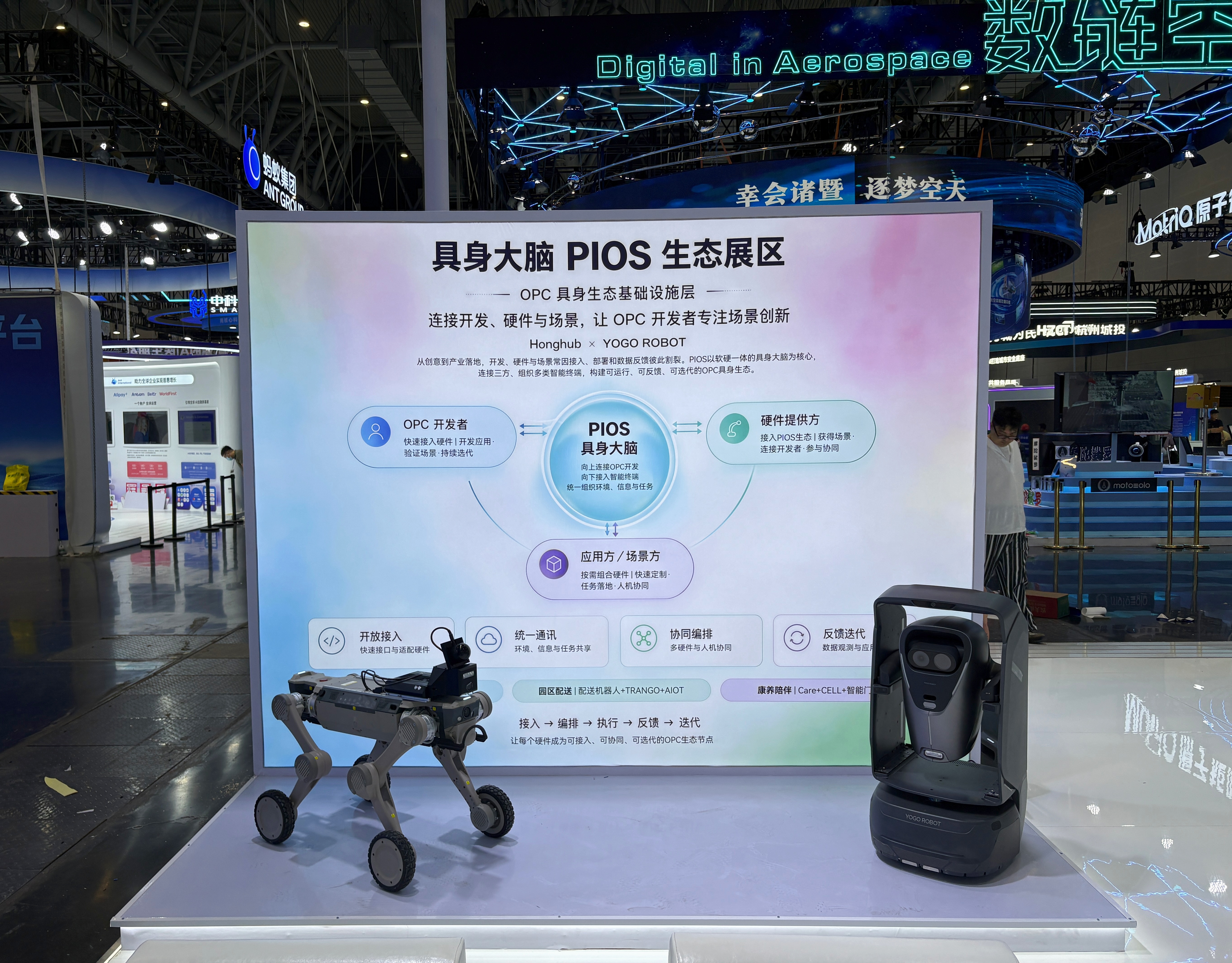
On the afternoon of September 16, YOGO welcomed a group of special international visitors: participants in the “Belt and Road” Countries’ Smart Manufacturing Technology Application and Management Training Program—organized by the United Nations Institute for Training and Research’s Shanghai Regional Center for Economic and Information Technology Training (CIFAL Shanghai) with support from the Ministry of Commerce—visited YOGO for a tour and exchange. More than 30 participants from “Belt and Road” countries—including Armenia, Uzbekistan, Ethiopia, South Sudan, Mauritius, Romania, Jordan, Iraq, and Nepal—among them government officials, corporate executives, and academic researchers, gathered to discuss the future of smart manufacturing and spatial intelligence.
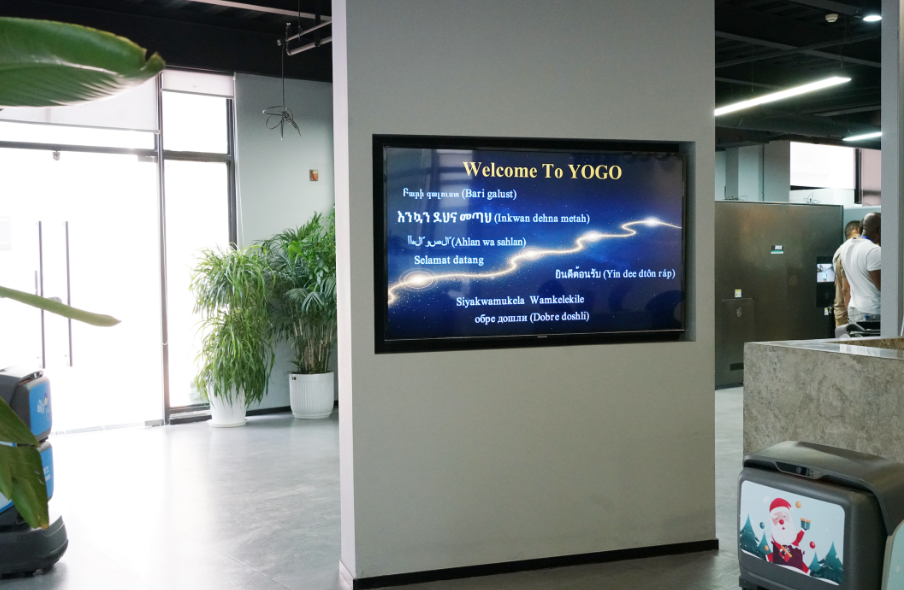
As soon as they walked in, the participants were immediately captivated by the multilingual welcome screen that YOGO had carefully prepared. The screen displayed the word “Welcome” in more than ten languages, including Arabic, Thai, Afrikaans, and Bulgarian, symbolizing the convergence and dialogue among different civilizations. Just as the “Belt and Road” Initiative emphasizes “consultation, cooperation, and shared benefits,” this moment transcended the boundaries of language and geography, marking the beginning of exchange.
At the start of the event, the YOGO team began by sharing the company’s development history and core philosophy. Participants learned that YOGO is not only a company focused on robotics and spatial intelligence but also an innovation platform dedicated to driving the transformation of future lifestyles. Through real-world case studies from hospitals, industrial parks, hotels, and residential communities, attendees gained a firsthand understanding of how robots enhance efficiency and transform people’s daily experiences in scenarios such as delivery, patrols, and reception. YOGO showcased to the international guests new ways of life in landmark buildings and future cities both in China and abroad. This was not merely a demonstration of technology but also a microcosm of China’s progress in intelligent social governance and industrial upgrading. These case studies highlighted the vast potential of integrating artificial intelligence with spatial systems, offering insights for the urbanization and digital development of their respective countries.
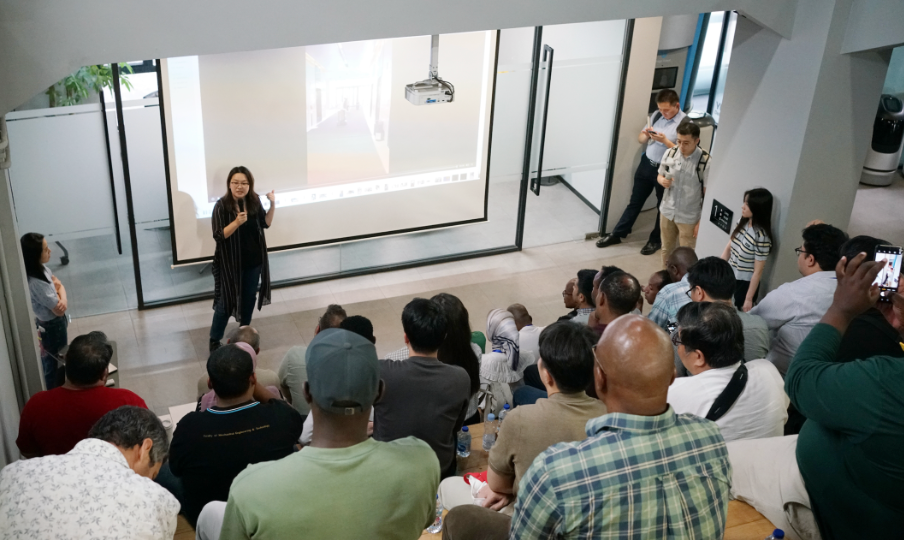
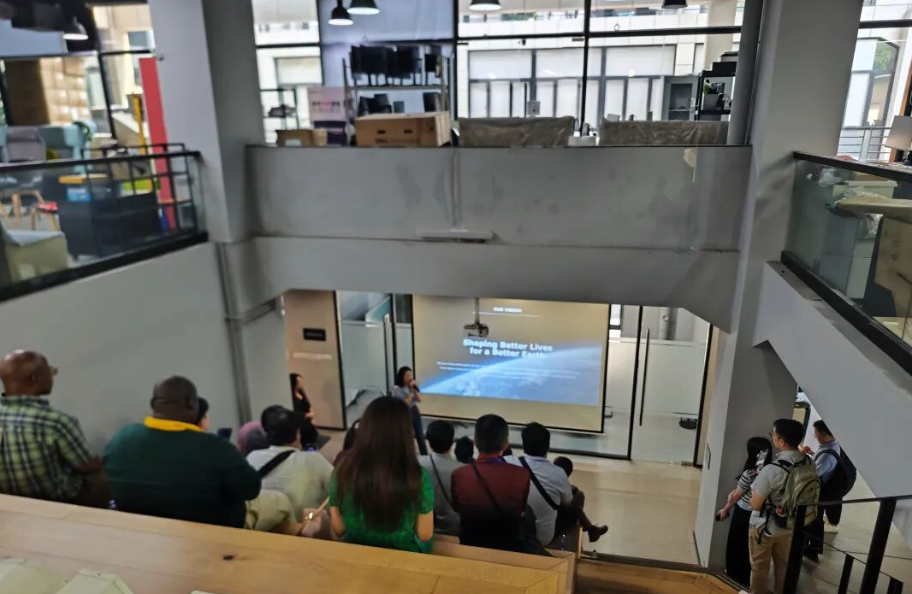
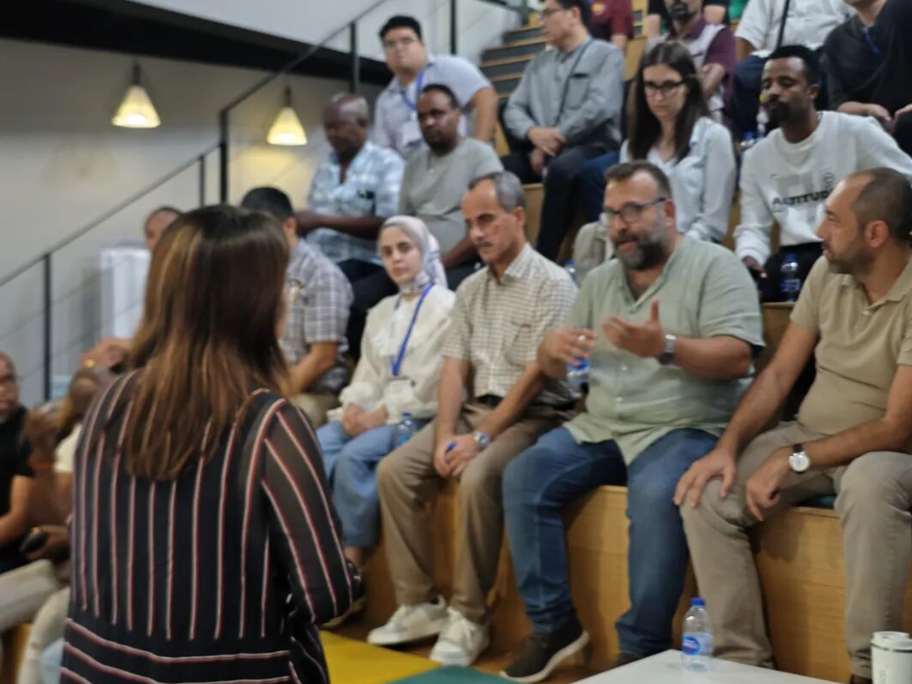
Back at the main stage for the Q&A session, the participants raised many constructive points and questions: Will artificial intelligence and robotics lead to more job losses? How can robots be adapted to the laws and cultures of different countries? And so on. The YOGO team addressed each question in turn and shared insights based on international case studies. As the discussion deepened, the atmosphere in the room grew more lively, with perspectives from different cultural backgrounds colliding and blending together, gradually forming a consensus: Technology is a common language for humanity and a bridge for future collaboration.
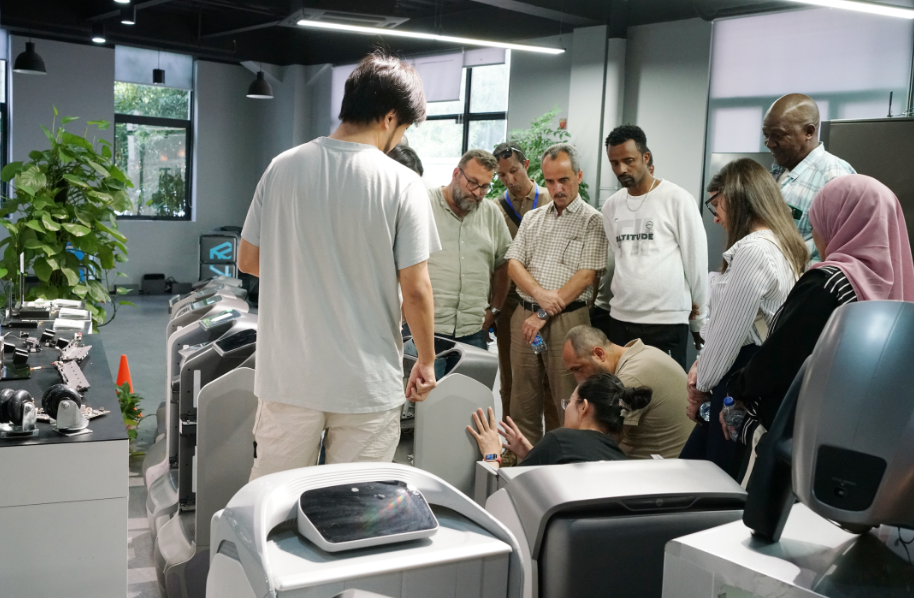
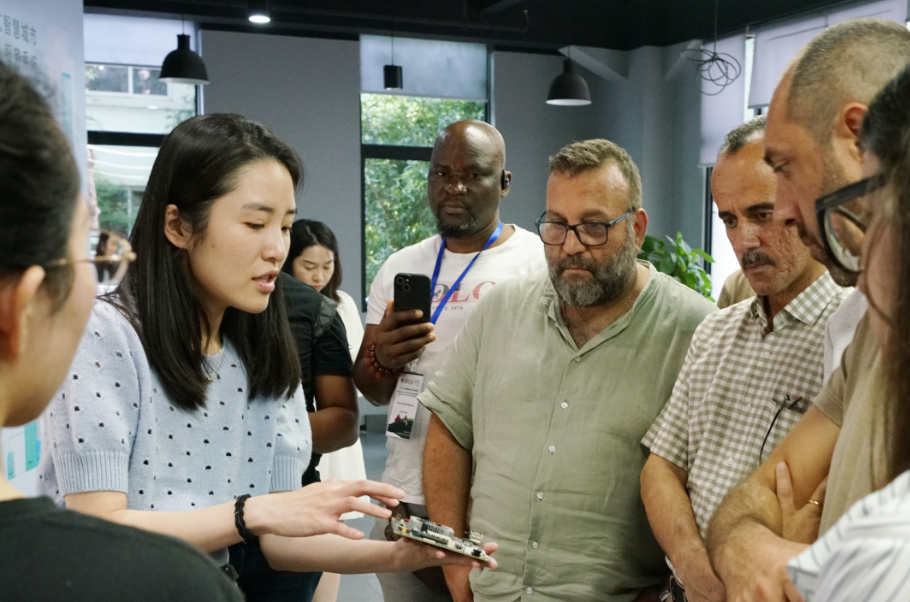
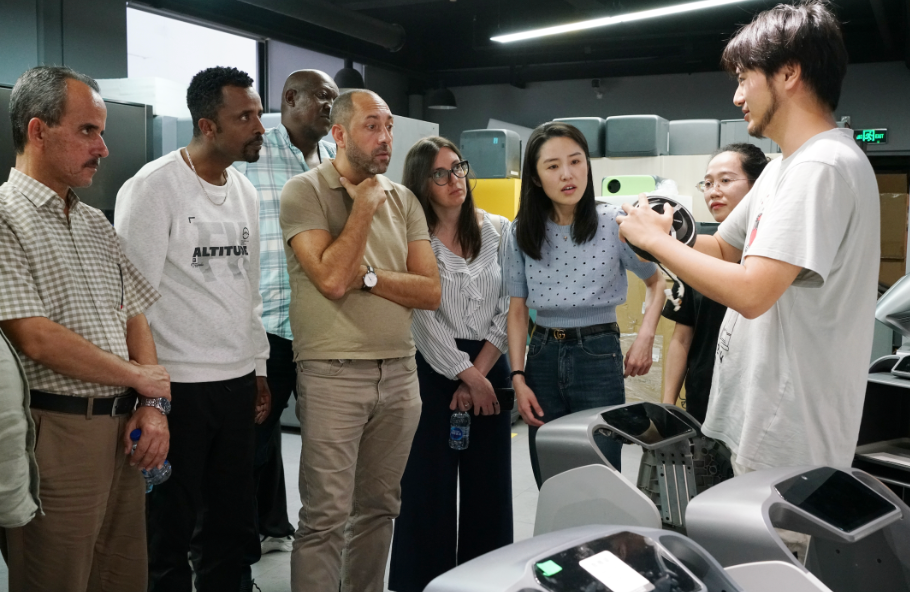
Immediately afterward, the participants were divided into groups to tour YOGO’s product and R&D center. The KAGO series robots moved nimbly and navigated obstacles with precision, demonstrating their “plug-and-play” modular capabilities. Participants eagerly interacted with the robots, experiencing the convenience and fun of intelligent delivery and human-robot communication. TRANGO, meanwhile, represents YOGO’s exploration of the future city—capable of integrated indoor and outdoor operation, it opens up new possibilities for fourth-generation residential buildings and smart campuses. This was followed by an in-depth look at the company’s backend software. YOGO technicians provided a detailed explanation of how the STATION platform enables unified scheduling of devices, data, and scenarios, as well as remote alarm systems, and how it ensures robots maintain efficient operation in complex spaces. This in-depth analysis of the underlying system revealed the scientific logic behind “spatial intelligence” and explained why YOGO is able to achieve large-scale deployment with a minimal staff.
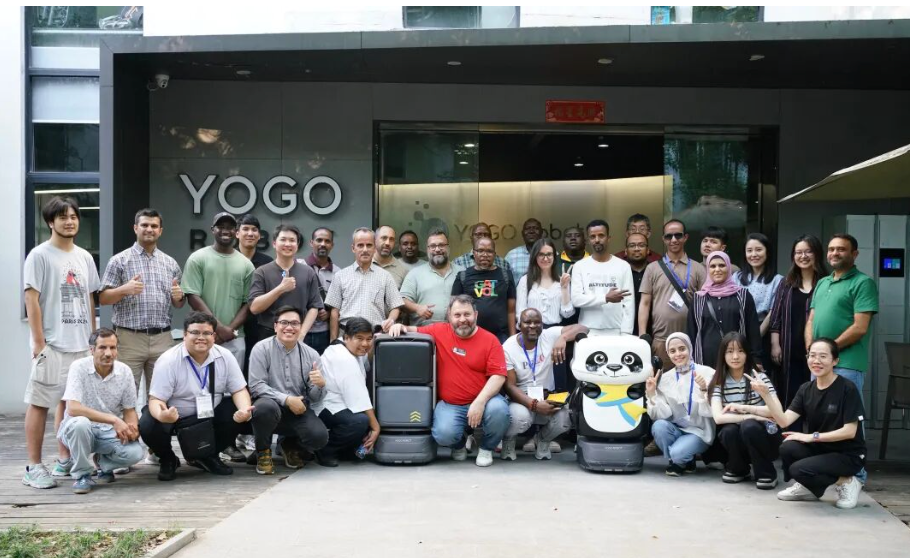
Finally, all the participants posed for a group photo with the YOGO robot in front of the company’s entrance. The trainees smiled and gave a thumbs-up, while the robot stood quietly in the middle of the group, becoming the most unique “member” of the photo. This scene not only marked the successful conclusion of the visit but also symbolized the continuation of international cooperation and the boundless possibilities of the future.
YOGO has always upheld its mission of “Pushing the boundaries of future 3D SPACE,” exploring the frontiers of space and intelligence. The visit by the “Belt and Road” training program participants represents not only an interaction between the company and the trainees, but also a microcosm of the dialogue between technology and civilization. Within the framework of the “Belt and Road” initiative, YOGO will continue to combine China’s experience with global wisdom to promote the practical application of robotics and spatial intelligence in more countries and regions. Technology knows no borders, and only through cooperation can we build a better future. YOGO is committed to joining hands with the world to write a new chapter in human society’s journey toward intelligence and sustainable development.

Tel: 400-630-1899
Email: business@yogorobot.com
Building#6, Warehouse No.2 ,Honghui Box, Wenshui Road, Jingan Disctrict Shanghai SH