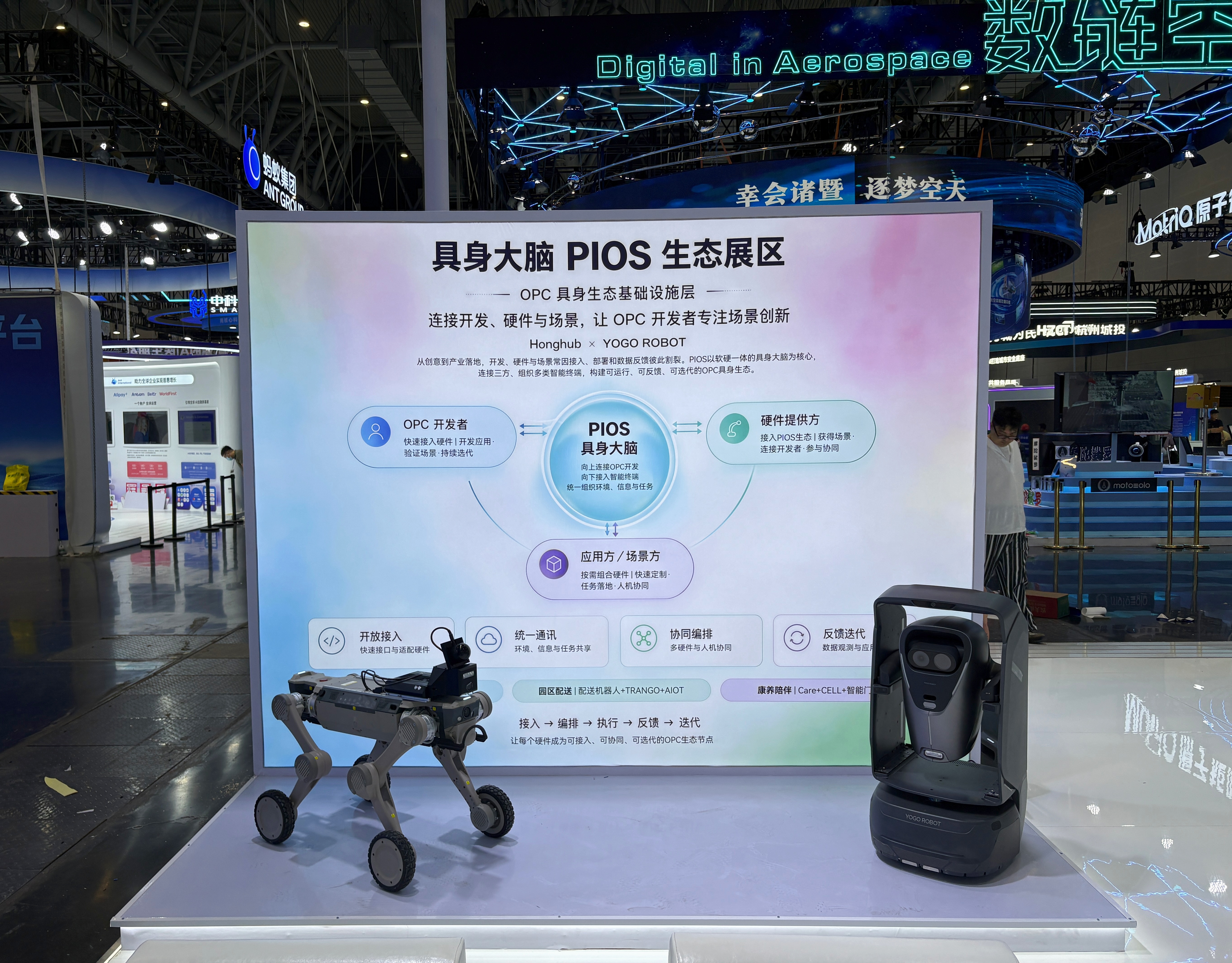
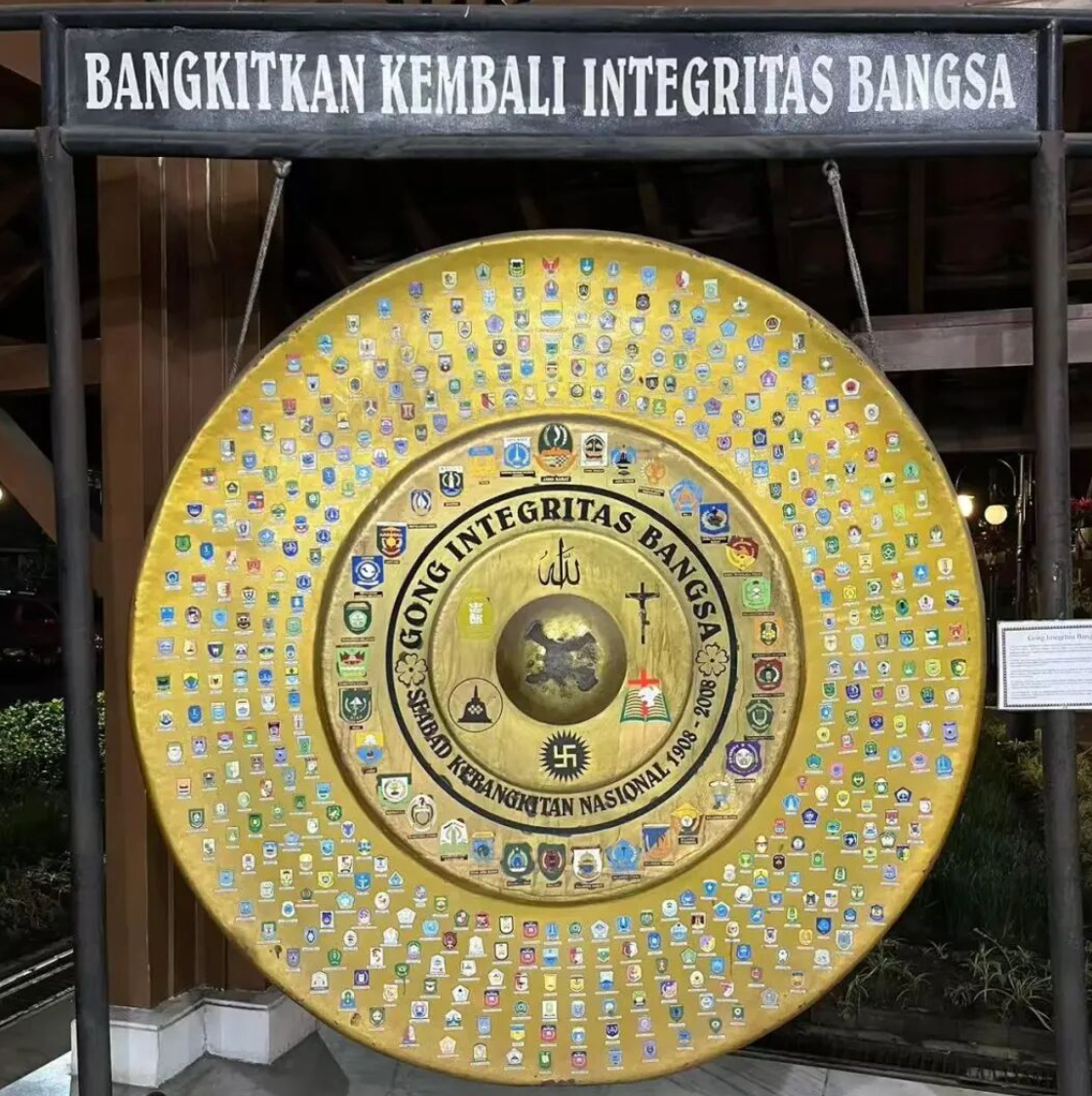
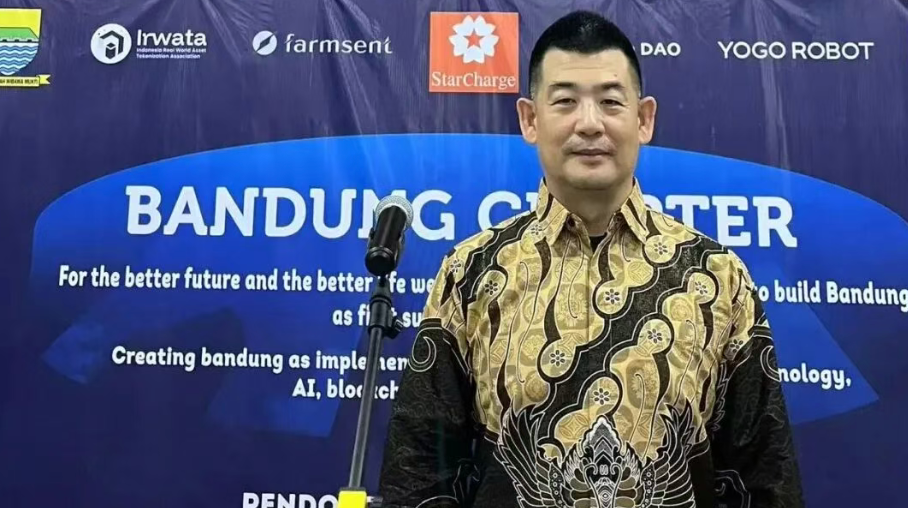
In Bandung, Indonesia, a launch event embodying the vision for the city of the future took place. In Indonesia—a land brimming with potential—the dream of a smart city is taking root. Under the Indonesian government’s “Golden Vision 2045,” Bandung has been entrusted with an important mission: to become a pioneer of the “digitally driven smart archipelago.”
This city not only embodies the future of technology but also carries on the spirit of the 1955 Bandung Conference—where Premier Zhou Enlai helped write a new chapter in Asia-Africa solidarity. Today, YOGO will continue to write a new chapter in technological cooperation here.
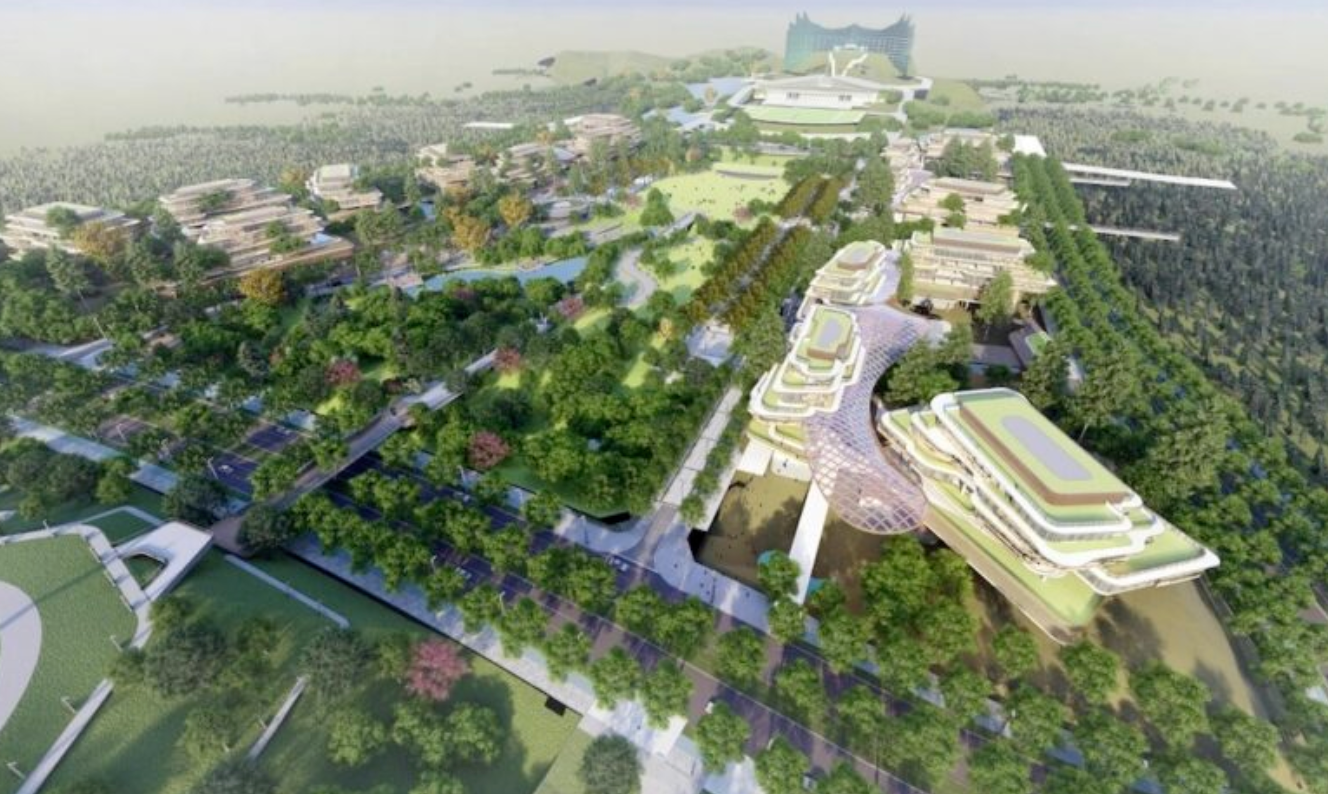
The “Golden Indonesia 2045” vision is a strategic plan for Indonesia, with the goal of joining the ranks of developed nations by 2045, the 100th anniversary of Indonesia’s independence. This vision outlines a national development blueprint characterized by “sovereign independence, advanced development, and sustainable development.” “In the process of realizing the ‘Golden Indonesia 2045’ vision, China has become an indispensable and important partner for Indonesia.” — Source: Xinhua News Agency
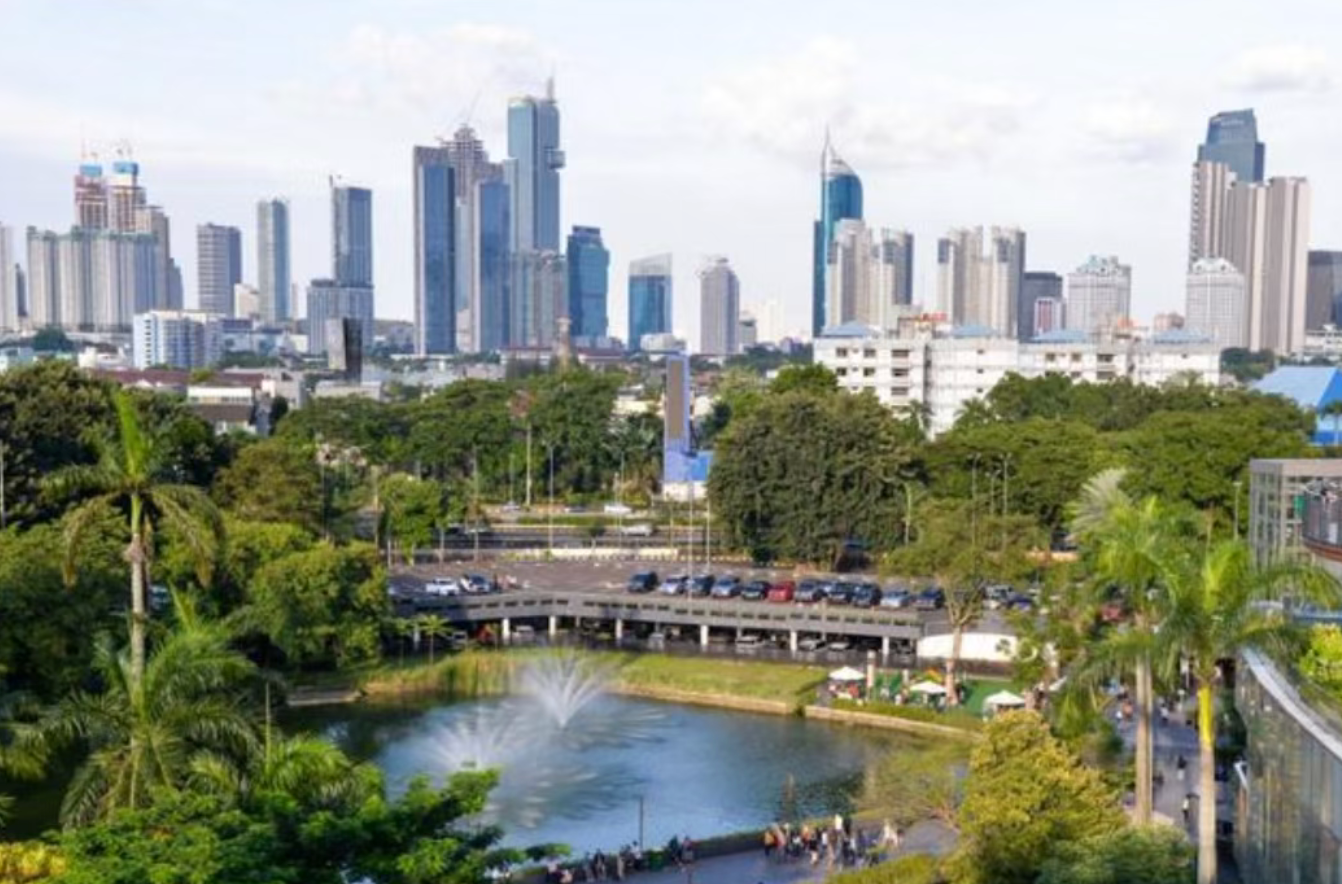
On July 18, 2025, YOGO ROBOT was officially invited to become a “Smart City Co-construction Partner” of Bandung. At a plaque-presentation banquet personally presided over by the mayor of Bandung, Mayor Muhammad Farhan, beaming with joy, handed the “key to launch” to the YOGO team—this was not merely a business handshake, but the beginning of a declaration for the future: “Smart Bandung,” a city where humans and machines coexist, has officially set sail.
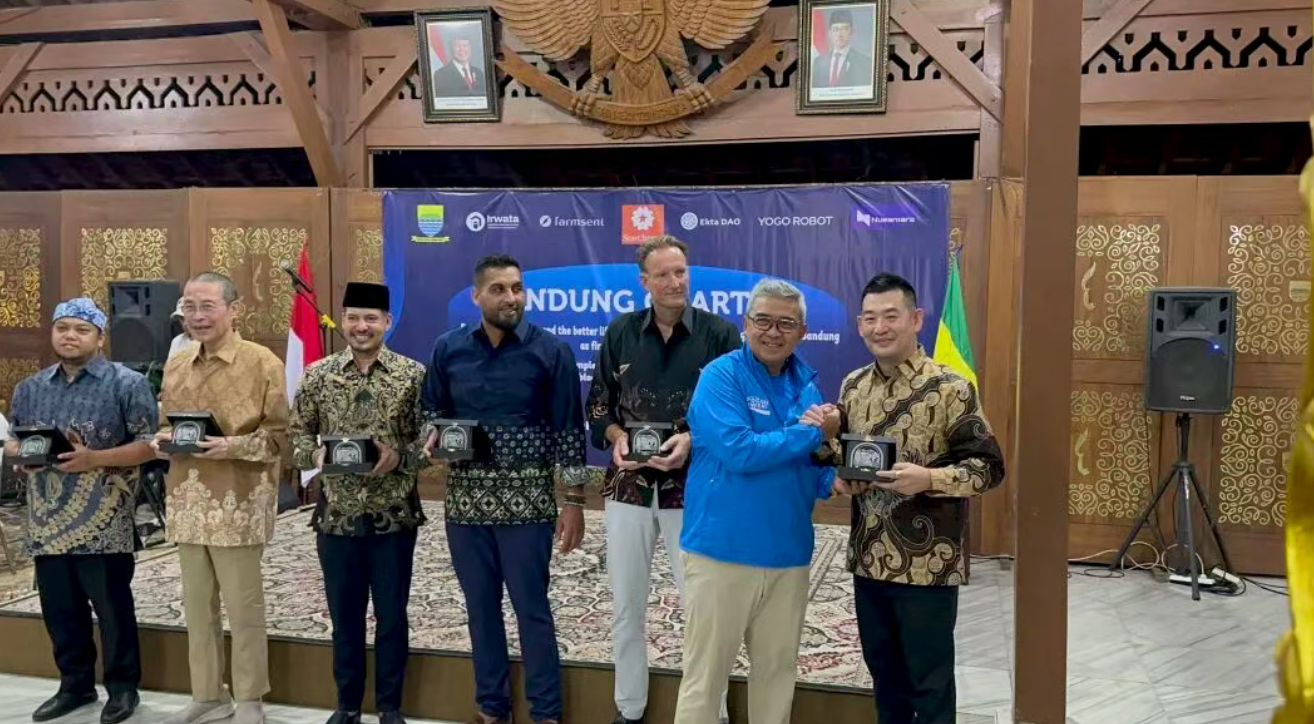
As a key component of the “Smart Archipelago” strategy outlined in Indonesia’s “Golden Vision 2045,” Bandung has been designated as the core city for the nation’s smart city pilot program. It is not only Indonesia’s hub for science, technology, and education but also bears the nation’s hopes for digital transformation and serves as a testing ground for exploring that path. The all-scenario solutions proposed by YOGO provide a crucial piece of the puzzle for this city’s transformation and upgrading. From logistics and delivery to security patrols and data collection terminals, YOGO’s robotic systems will serve as the most sensitive nerve endings in Bandung’s urban governance network.
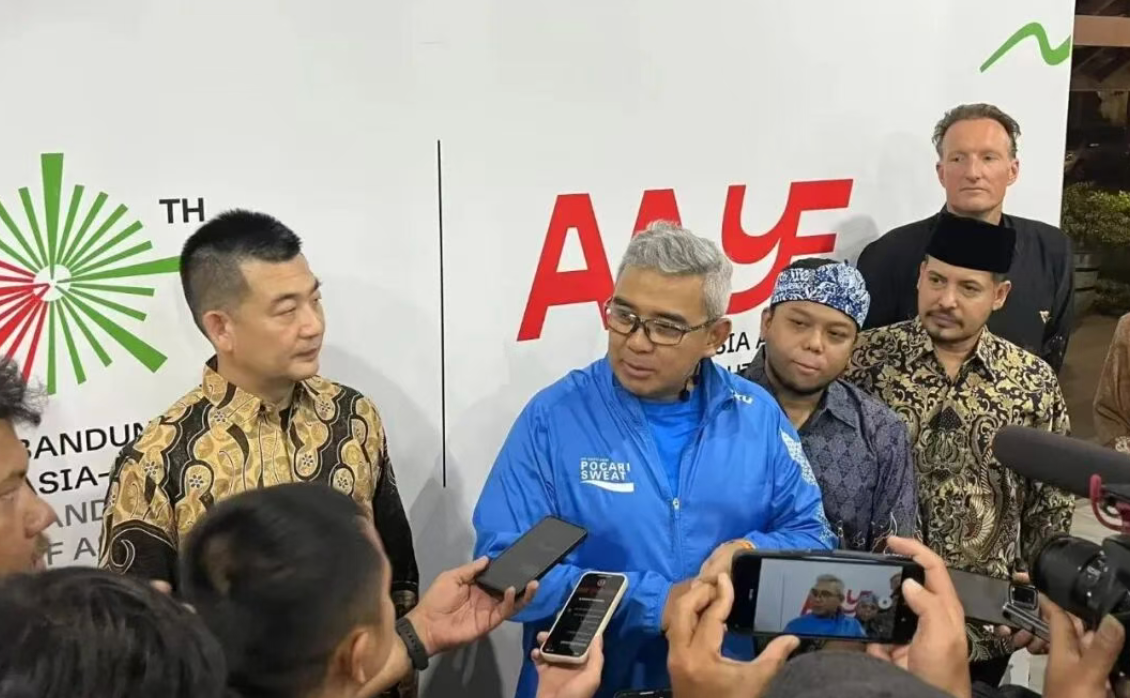
At the press conference, delivery robots navigated precisely through the mall; security robots on night patrol identified unusual situations; and data collection terminals, working silently and as invisible as air, continuously recorded the city’s rhythm. They form the “Urban Sensory System.” As the YOGO team put it: “Robots should not be ‘replacements for humans’; they are new organs in the city’s evolution.” ” More importantly, YOGO deeply understands that in a low-cost country like Indonesia, robots cannot simply “replace people.” Measuring progress solely by economic efficiency lacks the logic of sustainable development. YOGO has proposed a “human-robot collaboration” model that diverges from traditional approaches: it not only respects the local labor market but also truly harnesses the “empowering” value of technology. It is not about replacement, but about amplifying the capabilities of every individual.
Excerpts from Online News Sources:
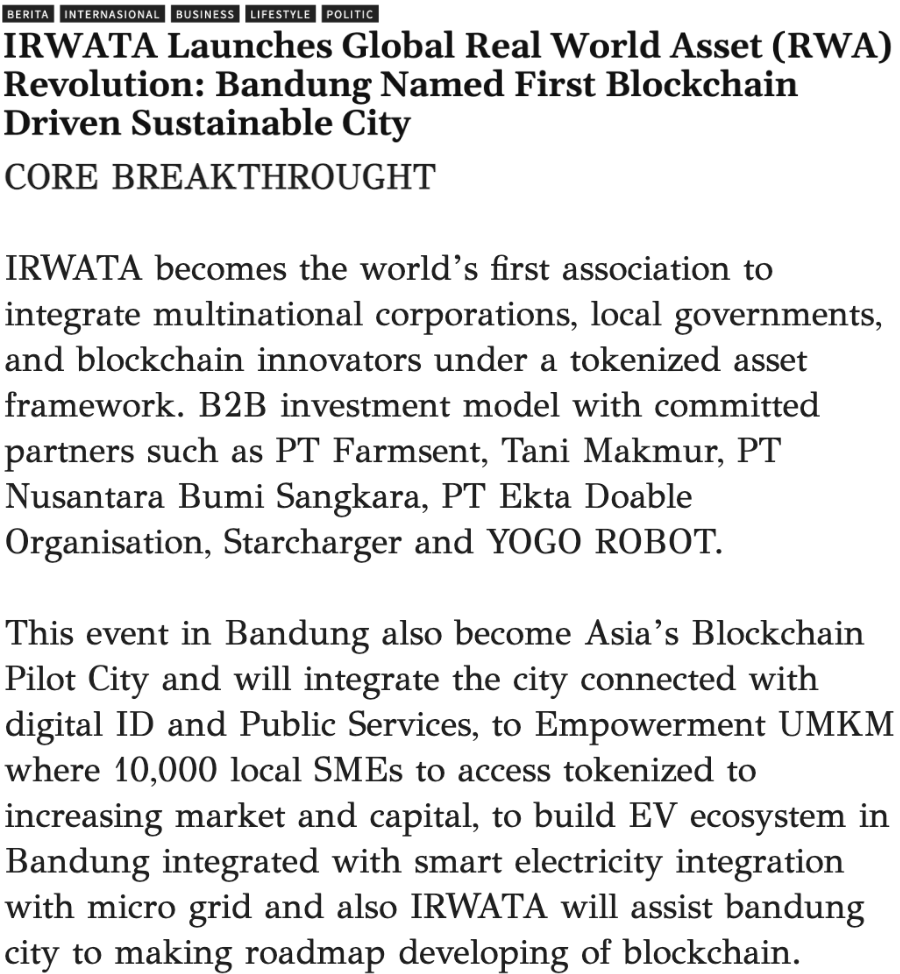
This partnership, marked by the presentation of a plaque, is not merely symbolic but marks the beginning of in-depth implementation. The Bandung government has not only designated YOGO as its primary technology partner for smart cities but is also collaborating with local energy companies and digital infrastructure firms to jointly build a city-wide technology network centered on “robotics, blockchain, and new energy.” Starting in 2025, YOGO will participate in the construction of Bandung’s smart communities and promote “robot-cognitive” urban infrastructure. In the future, robots will autonomously plan optimal routes for the city based on AI algorithms; traffic lights will no longer operate rigidly but will be autonomously adjusted in real time by YOGO terminals based on their perception of traffic conditions.
The partnership with Saudi Arabia marks YOGO’s first step into international markets, while the collaboration with Indonesia serves as an ongoing model for the global dissemination of standards. In the view of Li Jia, YOGO’s vice president, this represents not only market expansion but also a breakthrough opportunity for Chinese robotics technology to take the lead in shaping international standards. Although Indonesia’s smart city initiatives were not originally designed with Chinese products in mind, they ultimately align deeply with YOGO’s philosophy—a perfect illustration of how “systemic innovation” is making its mark on the global stage.
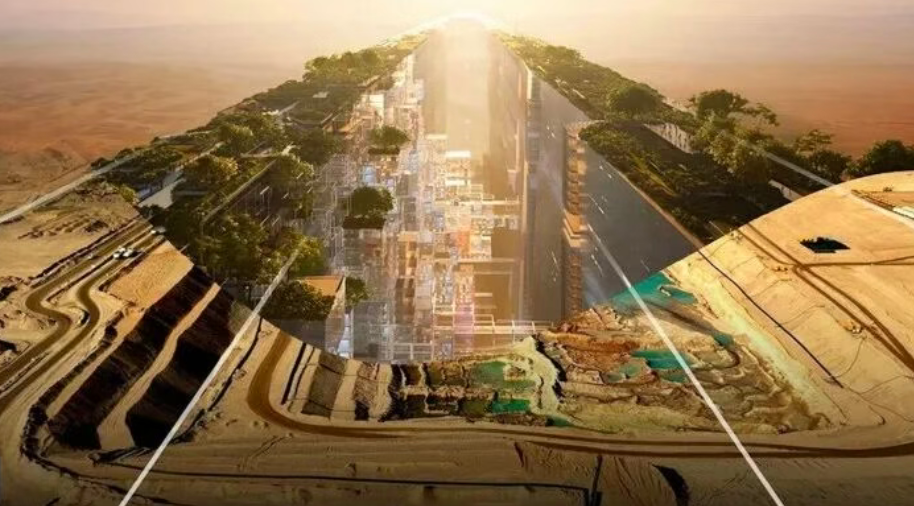
From the NEOM new city in Saudi Arabia to the rainforest metropolis in Bandung, YOGO is using AI robotics technology to reshape the vascular networks and nervous systems of cities. The ultimate goal of technology is never to replace, but to connect—connecting cities and people, and connecting nations with the future.

Tel: 400-630-1899
Email: business@yogorobot.com
Building#6, Warehouse No.2 ,Honghui Box, Wenshui Road, Jingan Disctrict Shanghai SH